

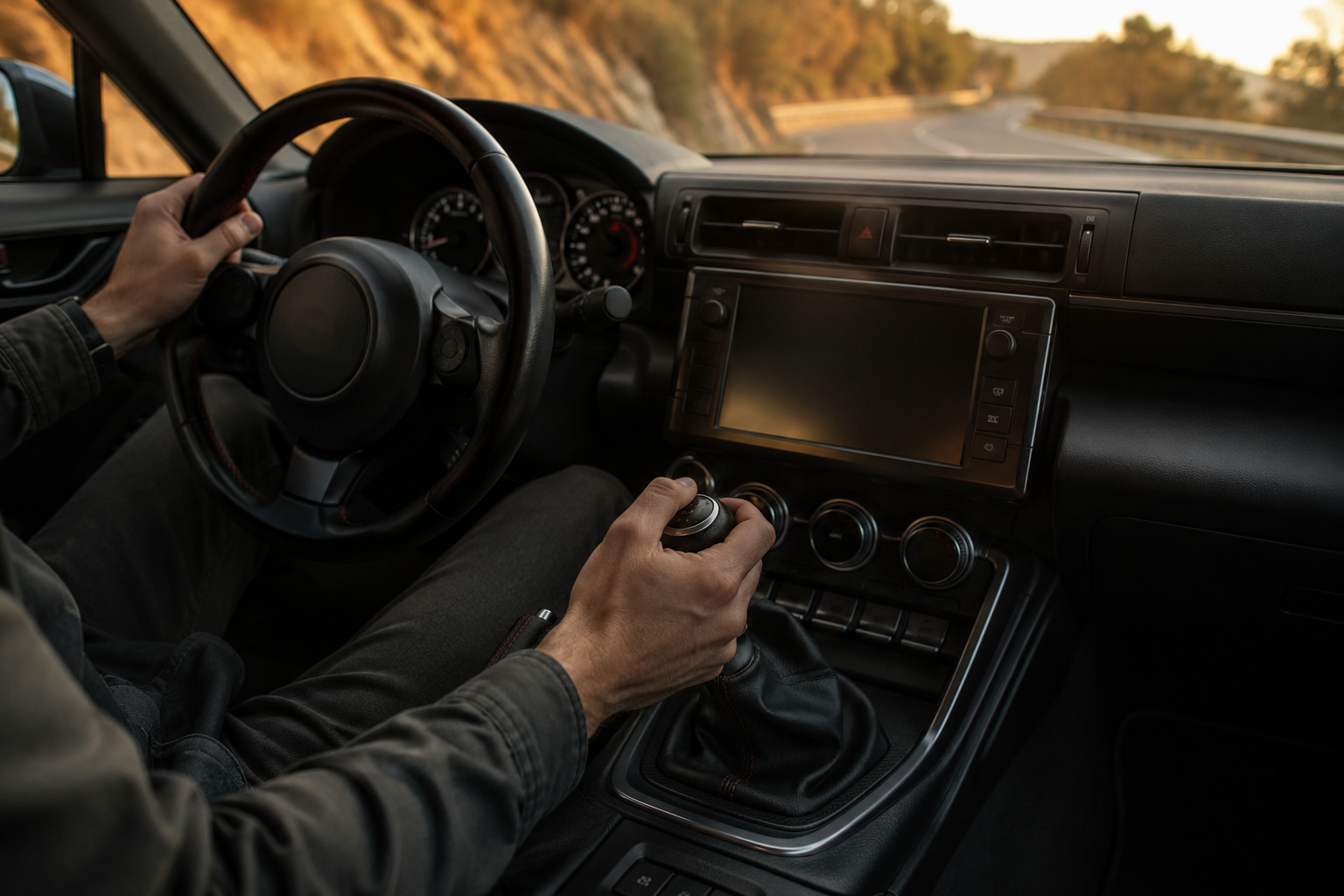
Manual transmissions are no longer the default choice, but that is part of why they have become meaningful to the people who still seek them out. They ask the driver to pay attention: choose a gear, work the clutch, listen to the engine, and learn the rhythm of the car.
That involvement is not automatically better for every commute. Traffic can make a manual tiring, and many buyers simply prefer the convenience of an automatic. But for enthusiasts, the manual can turn an ordinary drive into something more intentional.
How a Manual Transmission Works
A manual transmission gives the driver direct control over gear selection. The driver operates the clutch pedal with the left foot, selects a gear with the shift lever, and releases the clutch to engage the gear. The driver decides when to shift, based on engine speed, road conditions, and driving style.
Modern manuals typically have five or six forward gears. Reverse is engaged by a separate shift pattern, often requiring a lockout ring or button.
The clutch is a wear item. It wears over time based on driving habits, traffic conditions, and how the driver manages the pedal. A well-driven clutch can last well over 100,000 miles, but aggressive driving, frequent stop-and-go traffic, or poor technique can shorten its life significantly.
The Appeal
- Direct control over gear selection. The driver chooses exactly when to shift and what gear to hold. This is appealing on winding roads, during spirited driving, or when towing where engine braking is useful.
- A more connected sense of driving involvement. The clutch, the shift lever, and the engine response create a physical connection between the driver and the car that automatic transmissions do not replicate.
- Simpler mechanical hardware in some configurations. Manuals are often lighter and less complex than modern automatics, though the difference has narrowed as automatics have advanced.
- Lower purchase price. When a manual is offered, it is often available at a lower trim level or at a reduced price compared to the automatic equivalent.
- Engagement for enthusiasts. For drivers who enjoy the act of driving, a manual can make even routine trips more engaging.
The Trade-Offs
- More effort in stop-and-go traffic. Frequent clutch operation in heavy traffic can be physically tiring. This is the most common complaint from daily commuters.
- Fewer new models offer a manual option. The number of vehicles available with a manual transmission has declined significantly. You may have fewer choices in trim level, powertrain, or body style.
- Learning curve for new drivers. Operating a manual requires practice. Stalling, rough shifts, and hill starts are normal during the learning process but become second nature with experience.
- Potential for higher insurance costs in some cases. Some insurers treat manual and automatic differently, though the difference varies by provider and vehicle.
- Resale considerations. A manual may appeal to a smaller buyer pool, which can affect resale value depending on the model and market.
What to Know Before Choosing a Manual
If you are considering a vehicle with a manual transmission, confirm a few things before making a decision:
- Availability by trim and model year. Many manufacturers offer the manual only on certain trims or configurations. Confirm that the specific combination you want is available with a stick shift.
- Clutch operation and maintenance. Review the owner manual for the clutch adjustment, break-in guidance, and recommended maintenance. A dealer can explain the clutch warranty terms for your specific vehicle.
- Hill-start assist. Many modern vehicles with manual transmissions include hill-start assist, which prevents rollback on inclines. If this feature matters to you, confirm whether it is included.
- Rev-matching and launch control. Some performance-oriented manuals include rev-matching (which smooths downshifts) or launch control. These features vary by model.
- Test drive the manual. The feel of the clutch, the throw of the shift lever, and the engine's power delivery all affect the driving experience. A test drive is the best way to know whether the manual suits you.
The Appeal Is Not Nostalgia Alone
The manual transmission persists because it offers something that automatics, despite their efficiency and convenience, do not replicate: the feeling that the driver is participating in the car rather than simply directing it.
That appeal is not for everyone, and it does not need to be. But for drivers who value the connection between foot, hand, and engine, the manual remains a meaningful choice.
Shopping tip: If a manual matters to you, confirm availability by trim and model year - many models offer it only on certain configurations - and review the owner manual for operation, maintenance, and clutch warranty guidance.Related Articles
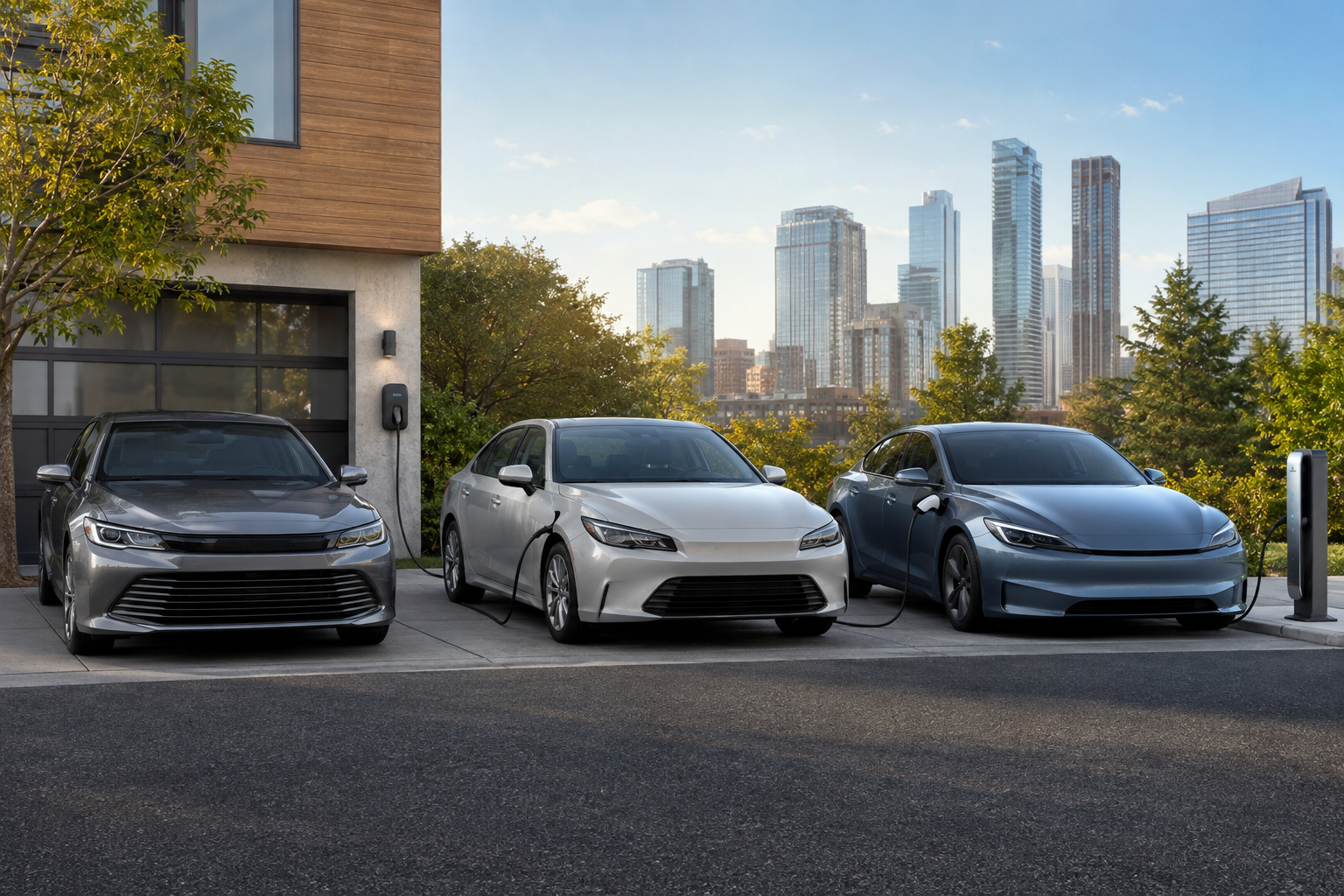
Hybrid vs. Plug-In Hybrid vs. Electric Vehicle: Which One Fits Your Driving Habits?
Hybrid, plug-in hybrid, or electric? A practical comparison of how each fits daily driving, charging access, and ownership routines - with specific buyer considerations for each.
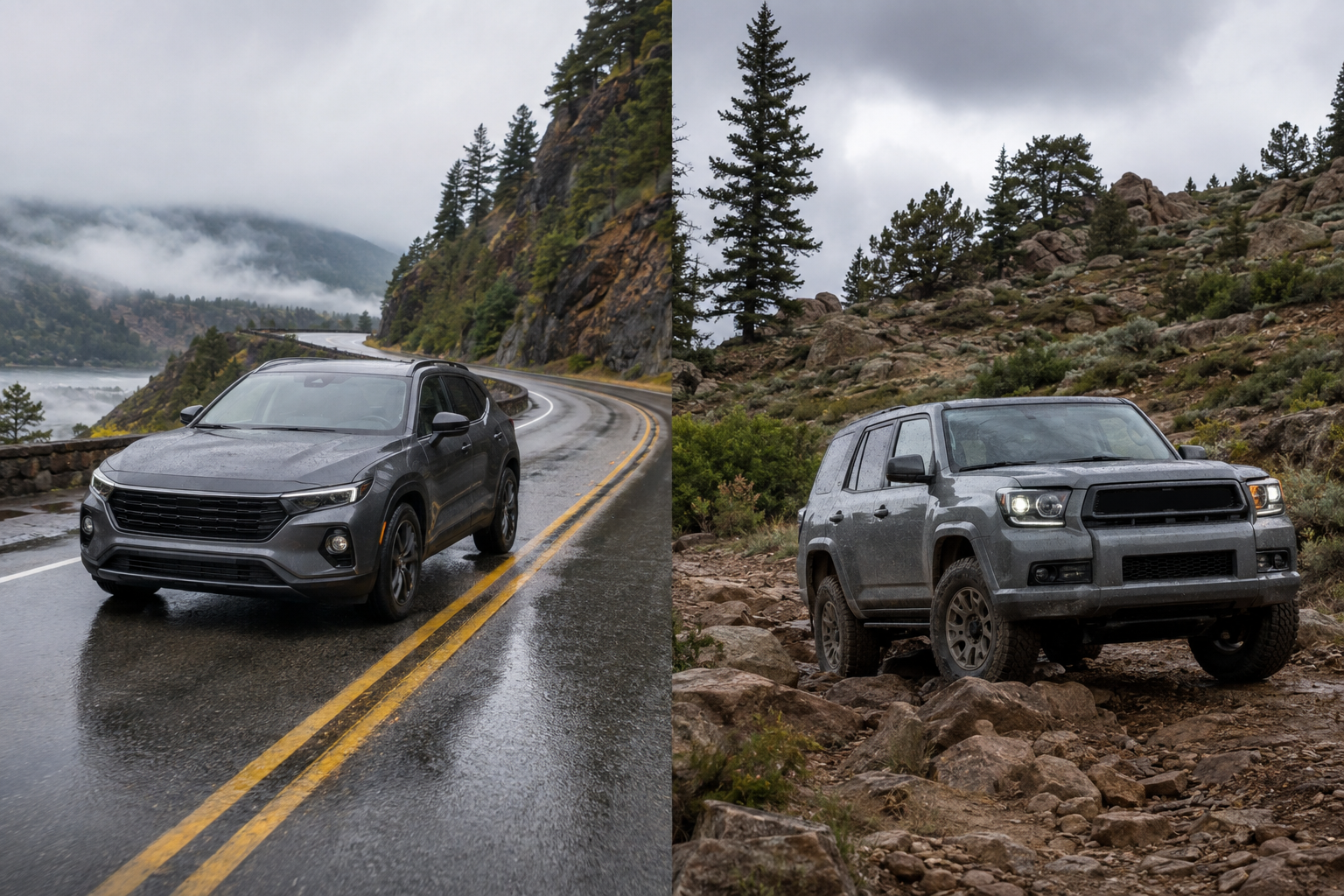
AWD vs. 4WD: What Is the Difference, and Which Do You Actually Need?
AWD vs. 4WD explained in plain language: how each system works, what each fits best, the real-world trade-offs, and why tires and driving habits matter more than the badge on the tailgate.
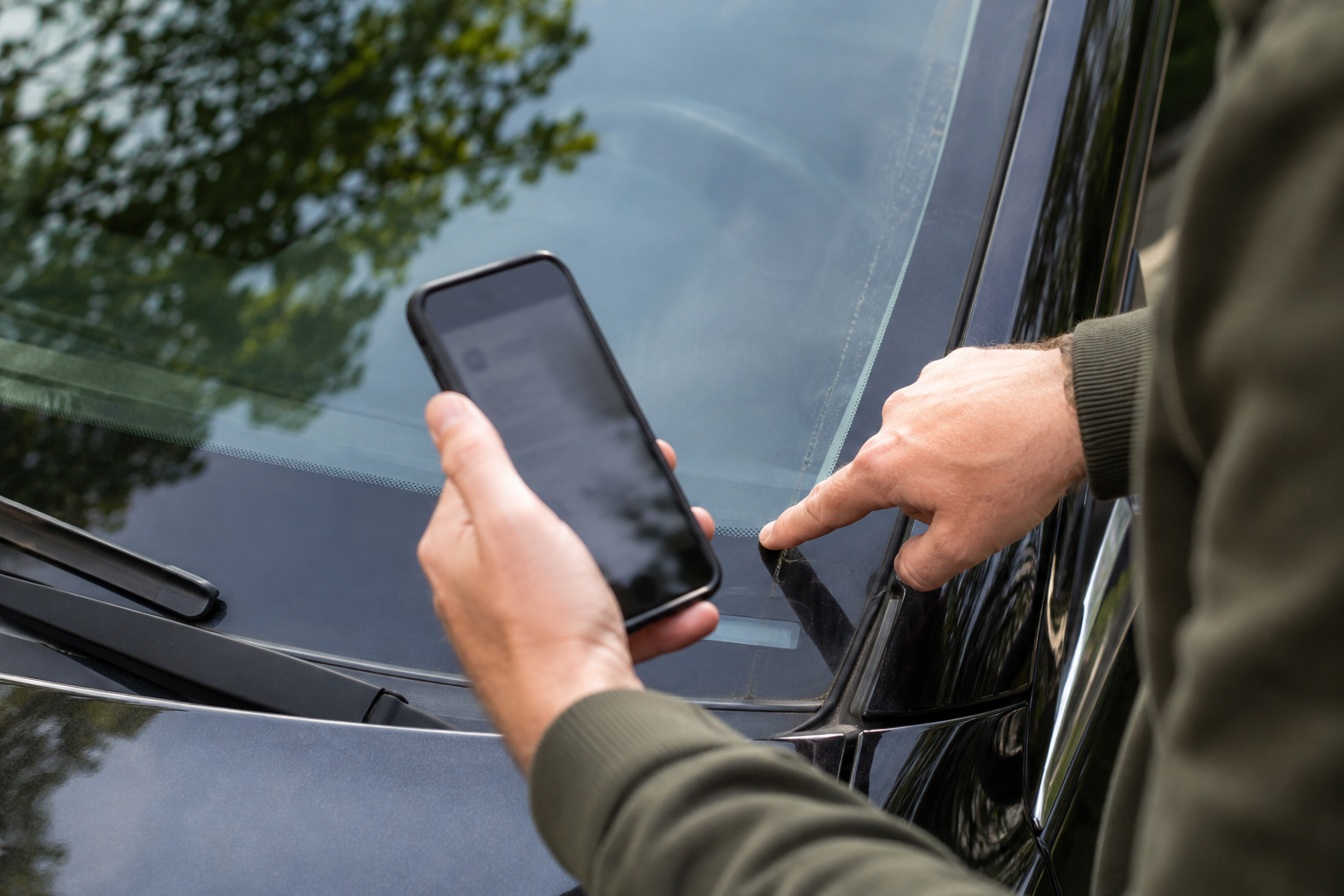
How to Check Your Car for Open Recalls Using Your VIN
A step-by-step guide to checking your VIN for open recalls, understanding the results, and keeping your recall records organized.