


Checking for open recalls is one of the most important and overlooked vehicle maintenance tasks. It takes about a minute, costs nothing, and can identify safety campaigns that affect your vehicle - even if you never received a notification letter.
The problem is that recall notifications do not always reach every affected owner. Letters get lost, owners move, and dealers do not always follow up. The only reliable way to know whether your vehicle has an open recall is to check using your VIN.
Step 1: Find Your VIN
Your VIN is the 17-character Vehicle Identification Number. It is located:
- Dashboard near the windshield on the driver's side (visible from outside the vehicle)
- Driver's side door jamb on the sticker or metal plate
- Vehicle registration or insurance card
- Owner's manual or service records
Step 2: Check the NHTSA Recall Lookup
The NHTSA recall lookup at nhtsa.gov/recalls is the federal database for safety recalls. Enter your full 17-character VIN to see:
- Open recalls - formal safety campaigns with a defined remedy, typically performed at no cost.
- Completed recalls - campaigns that have already been addressed on your vehicle.
- Service bulletins - manufacturer communications that are not recalls but may be relevant to your vehicle's maintenance or repair.
Step 3: Check the Manufacturer's Recall Lookup
In addition to NHTSA, check your manufacturer's own recall lookup tool. Manufacturer tools may provide additional detail about the campaign, the remedy, and the notification timeline.
Most major manufacturers host their recall lookup on their owner website. Enter the same VIN you used on NHTSA. The results should be consistent, but the manufacturer's tool may offer more specific guidance for your vehicle.
Step 4: Read and Save the Result
When a result appears, read it carefully. Note:
- Whether it is a recall, service bulletin, or warranty extension - they are not the same thing.
- The affected component - what part or system the campaign addresses.
- The remedy - what the dealer will do to fix the issue.
- Any instructions - whether you should schedule service immediately or if there are specific conditions to watch for.
Step 5: Act on an Open Recall
If an open recall is listed for your vehicle:
- Contact an authorized dealer for your vehicle's brand.
- Provide your VIN and ask to schedule the recall remedy.
- Recall repairs are typically performed at no cost and do not expire - but waiting too long means driving with an unresolved safety condition.
Make It a Habit
Check your VIN every few months and before any used-vehicle purchase. New recalls are announced regularly, and a vehicle that had no open recalls last month may have one today.
If you are buying a used car, checking the VIN before purchase is one of the most important steps you can take. It reveals open safety campaigns that the seller may not be aware of or may not have disclosed.
Keep the paper trail: Save your recall lookup results, any dealer repair orders showing campaign completion, and the date and mileage at the time of service. This documentation simplifies future resale, warranty questions, and ownership records.Related Articles
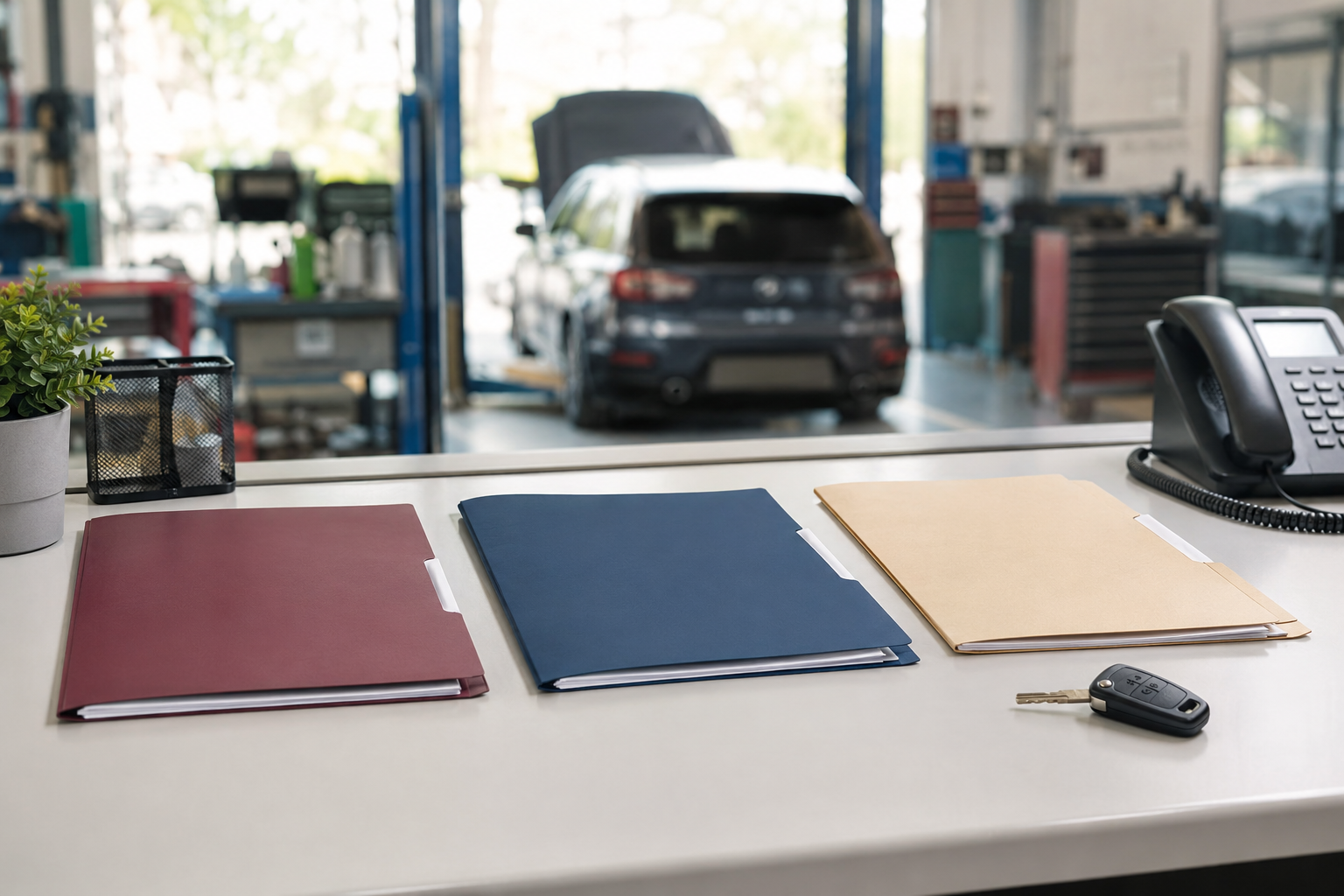
Recall vs. Service Bulletin vs. Warranty Extension: What Is the Difference?
Recalls, service bulletins, and warranty extensions sound similar but mean very different things at the service counter. Here is how to tell them apart and what each means for your car.

Hybrid vs. Plug-In Hybrid vs. Electric Vehicle: Which One Fits Your Driving Habits?
Hybrid, plug-in hybrid, or electric? A practical comparison of how each fits daily driving, charging access, and ownership routines - with specific buyer considerations for each.

AWD vs. 4WD: What Is the Difference, and Which Do You Actually Need?
AWD vs. 4WD explained in plain language: how each system works, what each fits best, the real-world trade-offs, and why tires and driving habits matter more than the badge on the tailgate.