


The automotive world uses language that can make three very different documents sound like versions of the same thing. They are not. A recall is not the same as a service bulletin, and a service bulletin is not the same as a warranty extension. Understanding the difference prevents frustration at the service counter and helps you make better decisions about your vehicle.
Recall
A recall is a formal safety campaign issued by a manufacturer in response to a defect or noncompliance with federal safety standards. Recalls are overseen by the National Highway Traffic Safety Administration (NHTSA).
Key characteristics:
- Safety-related. A recall addresses a condition that could affect the safe operation of the vehicle or its compliance with Federal Motor Vehicle Safety Standards.
- Owner notification. The manufacturer is required to notify affected owners by mail.
- Free remedy. Recall repairs are performed at no cost to the owner, regardless of warranty status or vehicle age.
- Does not expire. You can have a recall addressed at any time, even years after the notification.
- Performed by authorized dealers. The remedy must be completed by an authorized dealer for the vehicle's brand.
Technical Service Bulletin (TSB)
A technical service bulletin, also called a manufacturer communication, is repair guidance issued by the manufacturer to help technicians diagnose or address a known condition. TSBs are not safety campaigns.
Key characteristics:
- Technician-facing. TSBs provide repair procedures, diagnostic steps, and technical information for dealers and independent shops.
- Not automatically a free repair. A TSB does not obligate the manufacturer to pay for the repair. Whether the repair is covered depends on warranty status, any applicable warranty extension, or other coverage.
- Not a safety campaign. TSBs address known conditions that may affect performance, durability, or customer satisfaction, but they are not classified as safety defects.
- May apply to a specific configuration. TSBs often target specific engine, transmission, trim, or production-date combinations.
Warranty Extension
A warranty extension adds or extends coverage for a specific component under specific terms, time limits, and mileage limits. It is not a recall and does not automatically cover every repair.
Key characteristics:
- Component-specific. A warranty extension applies to a defined part or system, not the entire vehicle.
- Time and mileage limits. Coverage is limited to a specific period and mileage threshold, beyond which the extension no longer applies.
- Requires VIN verification. Eligibility depends on your VIN, production date, and the specific terms of the extension.
- May cover prior repairs. Some extensions allow for review of previously paid repairs, but this depends on the program's terms.
Why the Distinction Matters
The same vehicle can appear in all three types of documents over its life. A TSB may describe a condition that later becomes the subject of a recall. A warranty extension may cover a component that a TSB addresses. But the three documents are not interchangeable, and assuming they are can lead to confusion:
- A TSB is not automatically a free repair. If your vehicle is out of warranty and there is no applicable warranty extension, a TSB repair may be your responsibility.
- A warranty extension is not a recall. It does not carry the same legal obligations as a recall and may have expiration conditions.
- A recall is not a TSB. A recall is a formal safety campaign with mandatory owner notification and a free remedy.
What to Do When Someone Mentions a Document
When a dealer, friend, or online source mentions a recall, TSB, or warranty extension for your vehicle:
- Ask for the document number - the NHTSA campaign number for a recall, or the manufacturer's bulletin number for a TSB or warranty extension.
- Check whether it is a recall, bulletin, or coverage program - the type of document determines your rights and the dealer's obligations.
- Read the scope and conditions - the document defines which vehicles, components, and circumstances are covered.
- Verify with your VIN - use the NHTSA recall lookup and the manufacturer's tool to confirm whether your specific vehicle is affected.
Related Articles
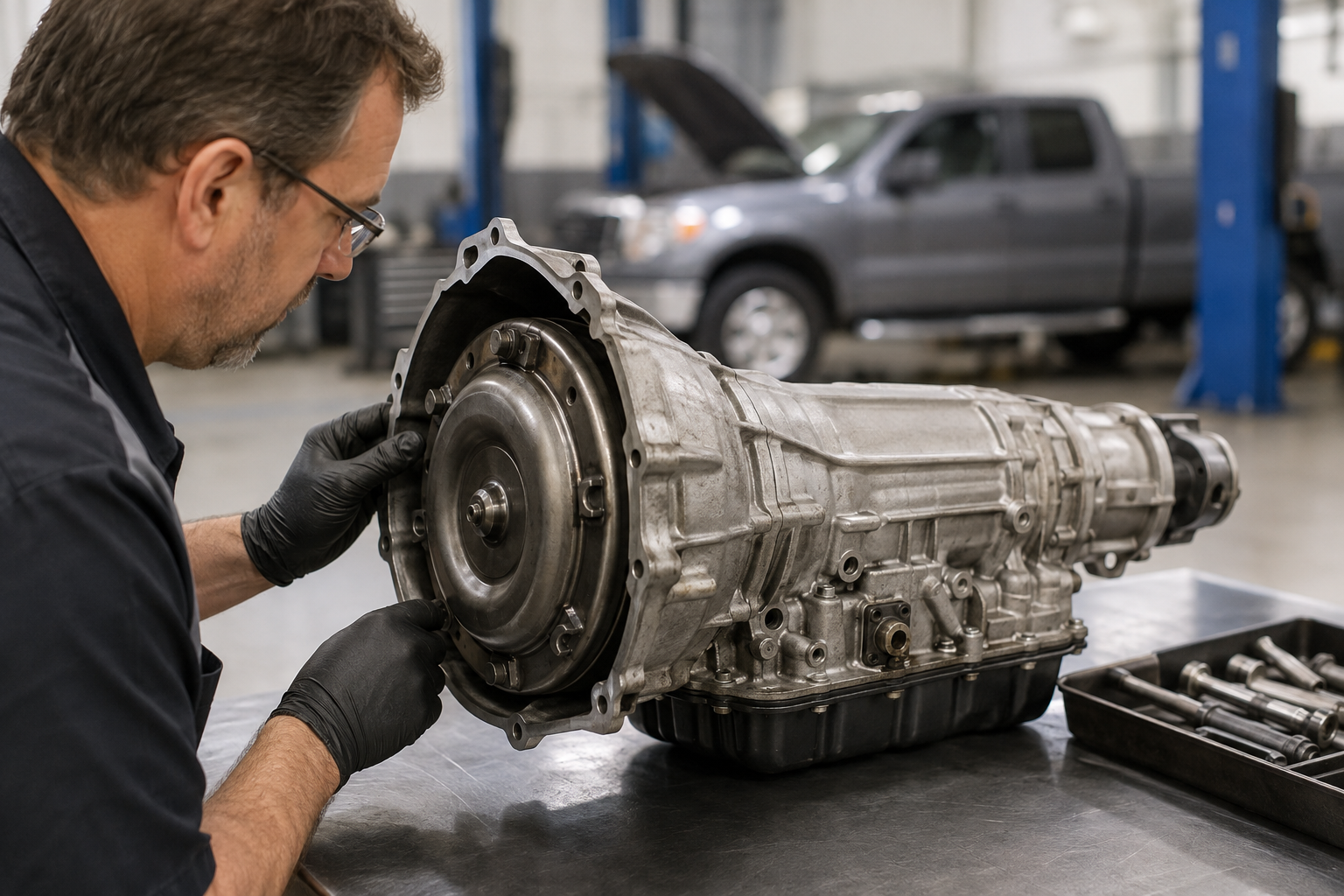
Ford F-150 Recall: What 2015–2017 Truck Owners Should Know About the Transmission Downshift Issue
Ford has recalled over 1.3 million 2015–2017 F-150 trucks for an unintended transmission downshift that can cause rear wheel lockup. Here is what the recall covers, how to check your VIN, and what owners should do.

How to Check Your Car for Open Recalls Using Your VIN
A step-by-step guide to checking your VIN for open recalls, understanding the results, and keeping your recall records organized.
Toyota Recalls 508,000 Camry Hybrids Over Dashboard Display Failure That Can Disable Turn Signals
Toyota is recalling over 508,000 Camry Hybrids because a startup display malfunction can blank out the instrument cluster and disable turn signals, hazard lights, and seat belt warnings. Here is what owners need to know.